
Jun 7, 2024
IoT
The Internet of Things (IoT) is driving innovation across Africa, reshaping industries from agriculture to healthcare and manufacturing. This blog explores how IoT is transforming African industries, answers key questions, and outlines strategies for adoption.
Introduction
Africa is undergoing a digital revolution, and the Internet of Things (IoT) is at the heart of it. IoT refers to interconnected devices that collect and exchange data to improve efficiency, decision-making, and automation. From smart farming that boosts crop yields to connected healthcare that saves lives, IoT is proving to be a game-changer for African industries.
But adoption also comes with challenges—high costs, connectivity issues, and cybersecurity risks. So, how exactly is IoT reshaping Africa, and what can businesses do to harness its potential? Let’s dive in.
The Rise of IoT in Africa
With over 570 million internet users and growing investments in 4G, 5G, and satellite networks, Africa is well-positioned for IoT adoption. Governments and private companies are already investing in IoT-driven solutions to address local challenges.
For example:
In Kenya, IoT sensors are used in agriculture to track soil health and optimize irrigation.
In South Africa, smart meters help monitor and reduce electricity consumption.
In Nigeria, IoT-enabled logistics systems improve supply chain visibility.
These examples show that IoT isn’t just a global trend—it’s a local solution to Africa’s most pressing needs.
Frequently Asked Questions (FAQs) About IoT in Africa
1. What industries benefit most from IoT in Africa?
Agriculture – Smart irrigation, soil sensors, and livestock monitoring.
Healthcare – Remote patient monitoring and connected medical devices.
Energy – Smart grids and renewable energy optimization.
Transportation & Logistics – Fleet tracking and supply chain management.
Manufacturing – Predictive maintenance and automation.
2. What challenges limit IoT adoption in Africa?
Connectivity gaps in rural areas.
High initial costs of IoT devices and systems.
Limited awareness and technical expertise.
Cybersecurity risks, as more devices connect to networks.
3. How does IoT improve everyday life?
IoT helps reduce waste in farming, ensures reliable energy distribution, improves healthcare access in remote regions, and makes transportation safer and more efficient.
4. Is IoT secure?
IoT introduces new risks because every connected device can be a potential entry point for hackers. To stay secure, businesses must use encryption, regular updates, and strong authentication systems.
5. What’s the future of IoT in Africa?
Experts predict that by 2030, Africa could have over 1 billion connected IoT devices, driving economic growth, innovation, and job creation across multiple sectors.
6 Ways IoT is Transforming African Industries
1. Smart Agriculture
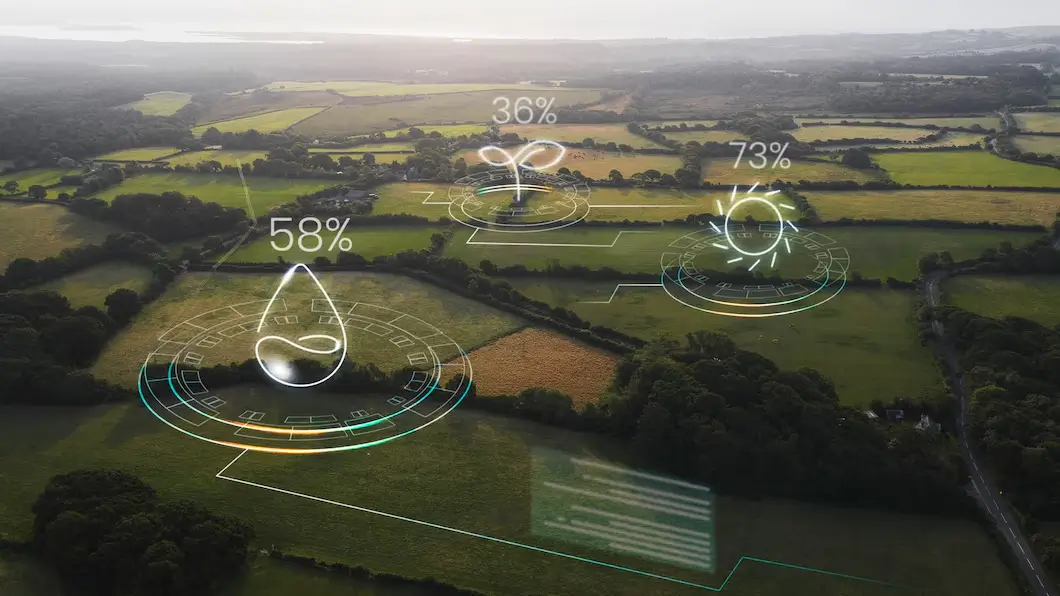
IoT sensors monitor soil, water, and weather, helping farmers make data-driven decisions. This leads to higher yields, reduced waste, and improved food security.
2. Connected Healthcare
Wearable devices and remote monitoring tools allow doctors to track patient health in real time, especially in rural areas where access to hospitals is limited.
3. Energy Management
IoT-powered smart grids improve electricity distribution, reduce blackouts, and enable better integration of renewable energy sources.
4. Efficient Logistics and Transportation
Fleet tracking systems optimize delivery routes, cut fuel costs, and improve supply chain transparency.
5. Manufacturing Innovation
IoT machines detect faults before breakdowns occur, saving money on maintenance and boosting productivity.
6. Smart Cities Development
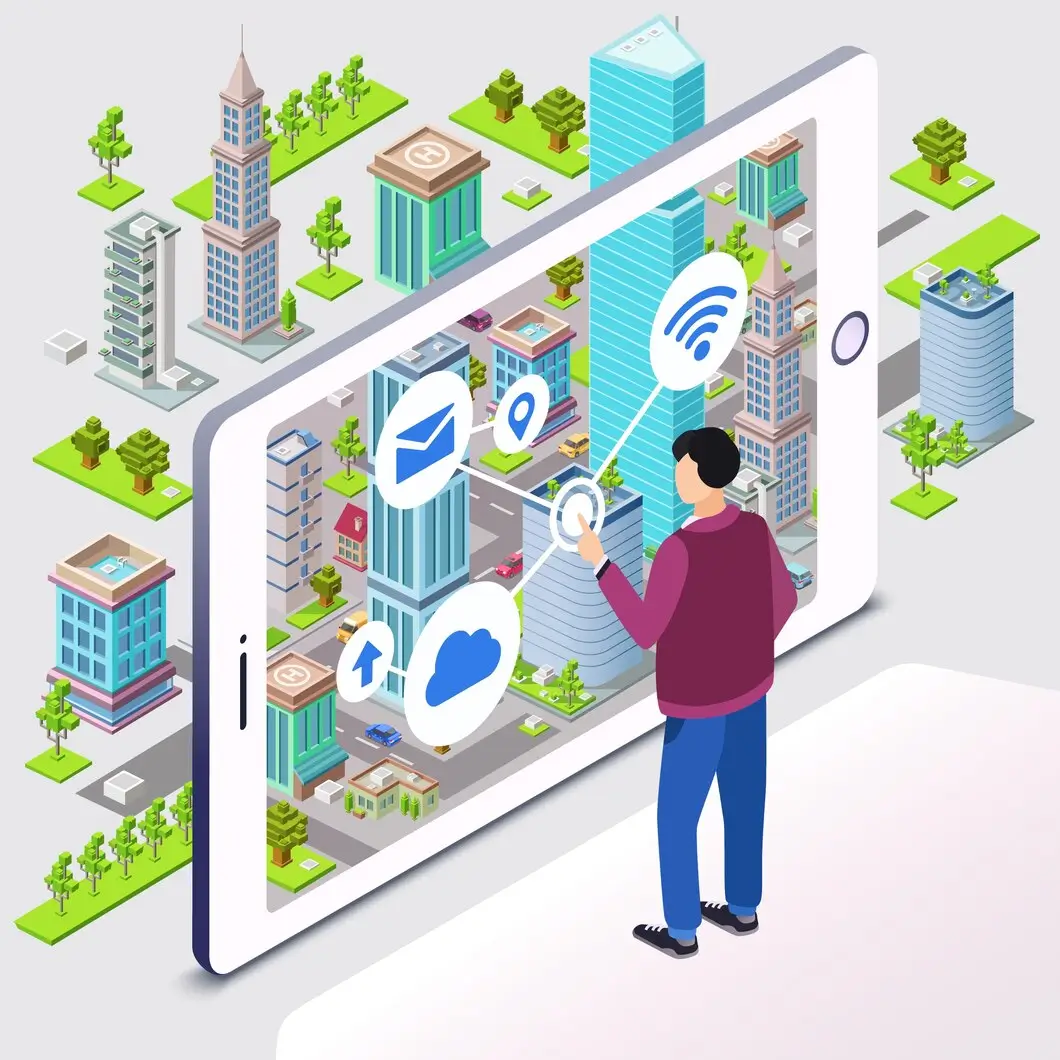
IoT is powering urban solutions like traffic management, smart lighting, and waste collection systems, making African cities more sustainable and livable.
Conclusion
IoT in Africa is more than just a buzzword—it’s a powerful tool driving transformation across industries. From agriculture to energy and healthcare, connected devices are solving real problems while unlocking opportunities for growth.
While challenges like infrastructure and cybersecurity remain, the future is bright. With continued investment, innovation, and collaboration, Africa can leapfrog into becoming a global leader in IoT solutions tailored to local needs.
The IoT revolution is already in action—African businesses that embrace it today will be tomorrow’s industry leaders.
Join the newsletter
Be the first to read our articles.
Talk to an expert?
Intrested in this topic